
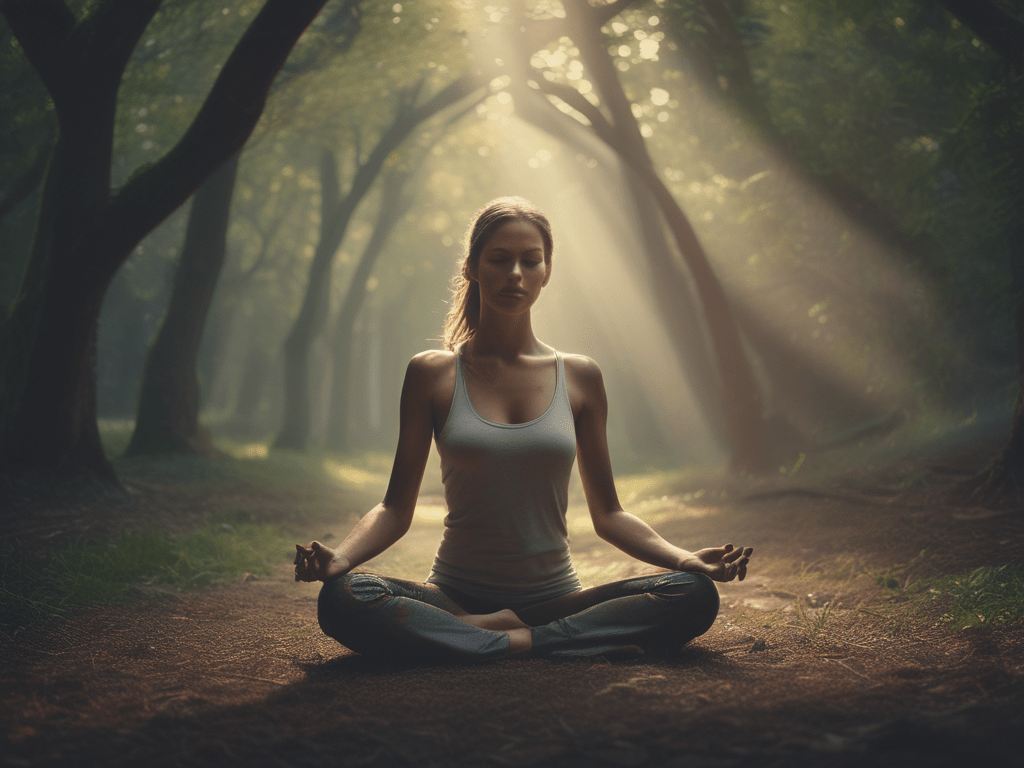
Our bodies are in constant equilibrium, whether we’re aware of it or not. As old as concepts such as Yin and Yang, there’s a balance to the human experience in order to properly function and respond to external and internal stimuli. The two systems in discussion are the sympathetic and parasympathetic nervous system that makes up our autonomic nervous system (ANS). Research repeatedly states how we’ve been wired to automatically detect dangers as early as the Stone Age to be alert to dangers such as saber-tooth cats and other predatory animals to stay alive. The same nervous system still is actively alerting us to potential dangers, even though we aren’t as in significant danger as we were to the same threats. We’re more dialed in to other innate threats such as being alone, rejection, not being loved or wanted as well other things we deem valuable for success and survival.
The sympathetic nervous system activates the fight/flight and physical responses which causes heart rate to increase, blood pressure to rise, pupils to dilate and floods our body with adrenaline to face the perceived or real threat. It pushes us into an active mode in order to preserve what is most important to us. If we don’t have enough knowledge, confidence, support, skills or past experiences to know we can navigate the stressor, this response may override causing extreme panic or push us into a parasympathetic state of shutting off/down and dissociating or enter shock/freeze states (think freeze or fawn responses).
The parasympathetic nervous system is the “rest and digest” function of our bodies. It’s in charge of calming, slowing our heart rate down, digesting and excreting foods and allowing ourselves to rest and recharge. Now that we have a brief idea of what both systems are responsible for, it’s important to understand when our bodies are needing extra support to return to the desired homeostatic or balanced state.
When it comes to balancing our system or intentionally peering into our bodily needs, it’s important for accurate assessment. Am I in hyperarousal? Meaning do I need to de-escalate and calm, or hypoarousal, and need to ignite my nervous system? When symptoms such as depression are present in the hypoarousal state, we want to stimulate the sympathetic nervous system.
Things that stimulate
Short bursts of intense exercise such as running in place, jumping jacks, squats for 30 seconds; also regular ongoing exercise regimens
Cold water therapies including running cold water over your hands, wrists, neck (whole body if desired) and immersing your face or body in cold water
Quick sharp inhales several times until the body and mind feel replenished with fresh oxygen
Longer term management of food including important vitamins and nutrients such as B12, magnesium, Omega-3s
Proper sleep
Music with repetitive beats/quick beats
Things that engage the parasympathetic nervous system (when we’re in heightened emotional states)
Long, slow exhales as many times as needed until a calming effect occurs
Mints, snacks, treats and drinks to be savored mindfully (with our full attention) to the items
Grounding skills such as laying flat on a hard surface, planting your feet firmly on the ground or on bare earth such as grass or sand if you can
Widening your vision such as scanning a tree from trunk to the top or tracing the perimeter of a wall from floor to ceiling to all points of the wall
Visualization exercises focused on calming, peaceful scenery and focusing on all senses: imagining “as if” you are there to let your body experience the details
Time in nature and mindfully noticing senses
Sleep, regular exercise and proper nutrition (again)
Assume this is all done after basic needs are met, medications are managed if prescribed and needing additional strategies. As you can see, some of the ideas are repetitive but can provide benefits for both sides of the nervous system. Our relationship with ourselves in an ongoing one that isn’t perfect and important to be okay with the trial and error of figuring out what works in a moment and being okay when it doesn’t in another. Trusting that with time, practice and implementation of other skills, you will find something that can calm or activate your nervous system, depending on your needs.
 Healthy Minds Therapy & Wellness