
This article may be triggering. If you have any current suicidal thoughts or plans to act on these thoughts, please reach out for support or contact the National Suicide Hotline at: 800-273-8255. You may also text the Crisis Text Line by texting HOME to 741741. If you have experienced a loved one’s death to suicide consider looking into support of your own if you are struggling. Click here for resources and additional questions if you are concerned with someone you care about.
I’ll start out by saying suicide is never a selfish act, but one that is due to overwhelming amounts of pain, leaving a person believe that this is their only solution. It is serious and more common than you think. It is actually fairly normal to have passing thoughts of imagining what it would be like to die. How will it happen? What will it feel like? The brain is wired to be curious as well as to protect, but it’s impossible to know what it’s like because we’ve never experienced it and are unable to truly know what it feels like, so the brain is only left to wonder. It becomes concerning when suicide becomes the only solution to relief.
As a therapist I’m trained to ask the questions that most people fear: do you want to die? Do you have a plan to kill yourself? Have you thought about when you would act on this plan? There is this belief about putting ideas in people’s mind about suicide. This is false. Asking the questions can lead to prevention and connecting to help. If there is anything you take away from this, I hope you learn signs of suicide as well as reduce your concern with asking these kinds of questions to people you love and care about.
This Sunday, September 5 begins a week of suicide awareness. This is not the only time to be aware of your friends and family if they are struggling. Some questions you can intermittently ask that are less invasive than the “are you thinking about killing yourself?” can sound like, “I’ve noticed you have been really tired lately, is anything going on you want to talk about? or “I haven’t seen you much lately and wanted to check in with how you’re coping,” “what’s something that’s wearing you down recently and how can I support?” I know these are only a couple but this allows you to open up the door to having a discussion. You can also share personally what you’re going through to normalize and let your friends and family know you struggle at times too. We don’t have to hold this perception of perfectionism. If the person shuts you down, show some persistence in how much you can and want to be of support and if you have any doubts, share the concern openly and clearly. You would rather have an annoyed friend due to your pushiness than one that completes suicide and not having asked the questions that may have been able to prevent it.
Please note, If you have lost a friend/family member to suicide, please do not shame yourself, if you did not ask questions or do “more.” Sometimes no amount of effort, questioning or support can be enough to someone who is set on completing suicide. You were doing the best you knew how to at the time.
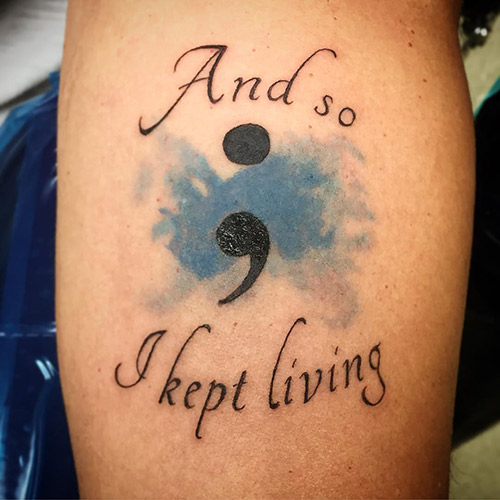
Signs to be aware of
- Expression of hopelessness/helplessness or lack of purpose
- Giving away valued items
- Talking about what it would be like without them “it’ll be easier if I wasn’t here.”
- Speaking of unbearable physical/emotional pain
- Increased use of alcohol/drugs and risk-taking behaviors
- Withdrawing and isolation
- Sleeping too much or too little
- Extreme mood swings
- Focus on death-related topics/asking about ways to die
- Having past suicide attempts are linked to higher likelihood of future attempts
Thank you for reading and take care of yourselves. You’re all brave, living in a rocky, demanding, terrifying- as well as joyous and beautiful- world.
“Don’t you know yet? It is your light that lights the worlds” – Rumi
 Healthy Minds Therapy & Wellness